
A Surat team gives its React template away free and reports $12,000 a month
A Surat team publishes a seven-page React dashboard under an MIT license and sells the full version for $69 to $599. Its cofounder reports about $12,000 a month. Here is how the model works, what it costs to copy and where it breaks.

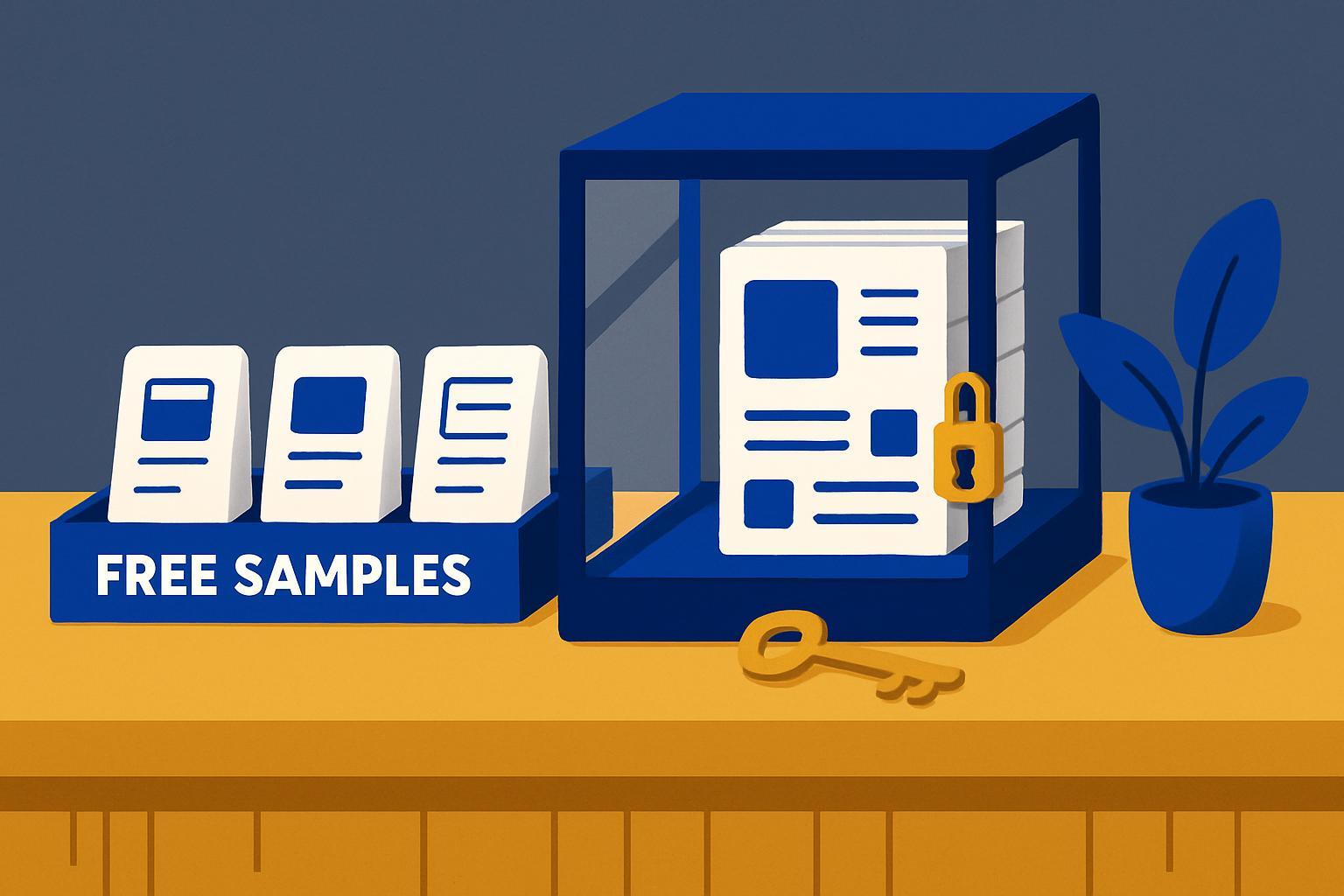
A React dashboard template with seven demo pages can be downloaded from GitHub and used in a client project without paying anything. Its makers published it under an MIT license, which permits commercial use. They want it downloaded.
The reason is on the project's own page. Next to the download sits a table comparing the free version with a paid one that has more than 100 demo pages, TypeScript, Next.js 16 and Figma design files, according to the project's GitHub README. The paid version sells from $69 to $599, and its cofounder says the business brings in about $12,000 a month.
The template is called Mantis. Its makers are CodedThemes, a team from Surat. Cofounder Rakesh Nakrani told Indie Hackers that CodedThemes now brings in around $12,000 a month. That makes it a small business and not a weekend project, so it is a model to study. It does not show what a first-time seller will earn.
Source: Rakesh Nakrani, Indie Hackers interview (not independently audited)
The person and the numbers
In the same interview, Nakrani says he started his career in 2013 as a PHP programmer. He quit his first job after a few months and started an agency with a school friend. The agency then funded a company that builds admin dashboards and UI kits for developers.
The agency turned into CodedThemes in 2015, when its first product was approved on Envato's CodeCanyon marketplace. Early templates such as Able Pro were built with Bootstrap, jQuery, HTML and CSS, with Photoshop used for design.
These figures all come from Nakrani in that interview, and none has been independently audited:
- The team has seven people.
- More than 400,000 developers have used its free and paid products.
- Berry and Mantis alone have crossed $1 million in revenue on the MUI Store.
- Revenue peaked at $15,000 to $20,000 a month and is now around $12,000.
How the free-to-paid model works
Developers building internal tools or SaaS products need the same admin screens: tables, charts, login pages, settings. Writing them from scratch takes weeks. A template shortens that to days.
The paid Mantis listing on the MUI Store has three tiers. The Standard license costs $69 and does not allow charging end users. Standard Plus costs $129 and adds TypeScript source and Figma files. The Extended license costs $599 and allows end users to be charged. The listing also says MUI's team quality-checks items, includes one year of free updates and six months of technical support, and is covered by a refund policy.
Source: MUI Store listing for Mantis
The free version does the marketing. In a reply on the interview thread, Nakrani says free templates bring in a big part of the store's traffic and that many Pro buyers mention they started with the free version. He also admits the team has no clean number for that share, because it has never tagged purchases by first touch.
The free template is still maintained. The Made with React.js directory lists the latest release as v2.2.0 on 23 May and calls the project maintained. The README shows React 19 and Material UI 9. The date of the latest commit could not be confirmed.
How to start this week
- Pick one screen type that developers keep rebuilding, such as data tables, settings pages or login flows.
- Clone the free Mantis repository. It costs nothing. Read how the folders, theme and layouts are organised, because buyers judge a template on that.
- Open the paid Mantis listing and write down what sits in each price tier. Note what the free version leaves out.
- Choose your framework and component library. Mantis uses Material UI, which is crowded with templates. A smaller library may face less competition.
- Build a free starter of five to seven pages and pick a license. Mantis uses MIT. Publish it in a public repository with a clear README and a live preview.
- Look up MUI's terms for store authors before building a paid version. None of the sources reviewed show what MUI charges authors or how revenue is split, so confirm that first.
- Add a short upgrade table to the README, as Mantis does, and a link to a community channel. The Mantis README has a Discord badge.
- Tag every link you share, so you can see where paying buyers first found you. Nakrani's own thread shows why: his team cannot measure how many buyers began with the free version.
What the first weeks look like
The first week is a study week with no sales in it. The work is choosing a niche, reading code and shipping a small free product. The CodedThemes history points to patience: the company dates from 2015 and the interview describes a long climb from a PHP script that was first rejected to a store with sales in six figures of dollars.
No source reviewed publishes a reliable first-month figure for a new template author. Treat any such number as unverified.
Risks and why people quit
The odds are poor. One blog's summary of public Indie Hackers data says median monthly revenue across verified products was around $30, and that only about 5% cleared roughly $8,000 a month. That analysis covers software products in general, not templates, and it comes from a third-party blog. It still sets a sober backdrop.
Source: Summary of public Indie Hackers data (third-party blog, covers software products in general)
Several things make template selling harder than it looks:
- Maintenance never stops. React, Material UI and Next.js ship new major versions, and a template that falls behind stops selling. The Mantis README names React 19, Material UI 9 and Next.js 16, which shows how much upkeep a live catalogue needs.
- Free copies are easy to fork. The Mantis repository page shows more than 640 forks, and copies such as this one carry the same MIT license.
- Revenue is lumpy. Nakrani's own figure fell from a peak of $15,000 to $20,000 to about $12,000.
- Support eats time. Buyers get six months of technical support on the paid Mantis listing, and each question is hours not spent building.
- The central claim is unmeasured. Nakrani says the free version feeds paid sales, but his team has no data on how much.
Anyone copying this should keep a day job, cap the money they put in, and set a review date. Ninety days is a sensible first checkpoint, with no promise attached.
Sources
- Turning an agency into a $12k/mo product portfolio - Indie Hackers
- Mantis - React Material UI Dashboard Template - MUI Store
- GitHub - codedthemes/mantis-free-react-admin-template
- Mantis - MUI React Admin Dashboard Template - Made with React.js
- How Much Do Indie Hackers Actually Make in 2026?
- GitHub - mp5maker/mantis-react-admin-template (fork)
Drafted with AI assistance from public reporting and company announcements. How we work · Report a correction